
Establishment
Sironcha Agricultural Produce Market Committee was established on 3 June 2015 and the functioning of the market committee has been started from 8 June 2015 as per the Maharashtra Agricultural Produce Purchase and Sale (Regulation) Act, 1963 and the rules made thereunder, 1967.
Scope of the Committee
The scope of the market committee is limited to the villages of Sironcha taluka.
Main market of the committee
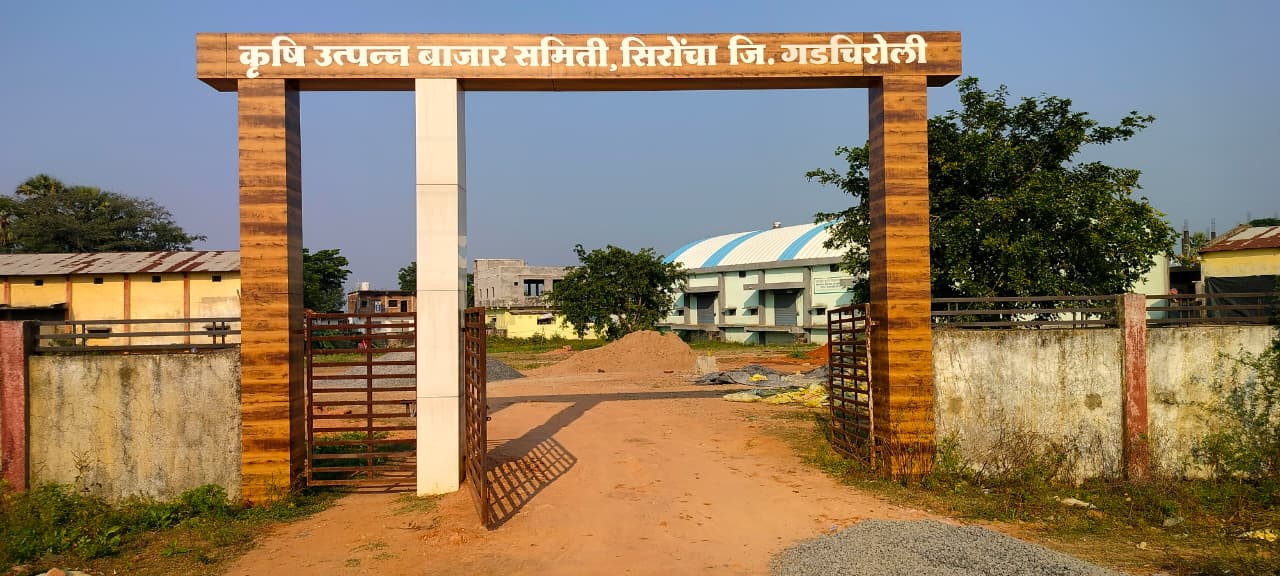
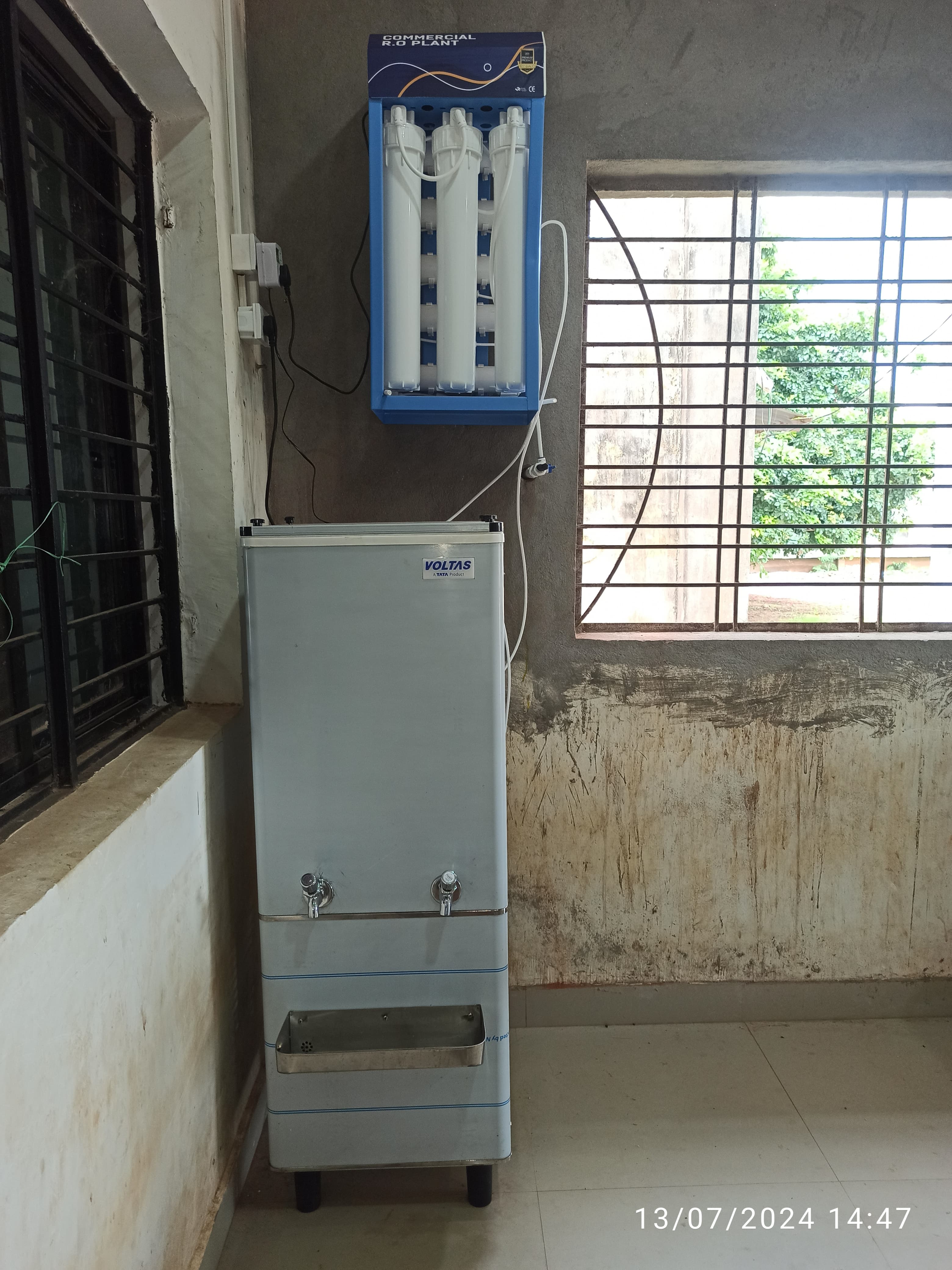
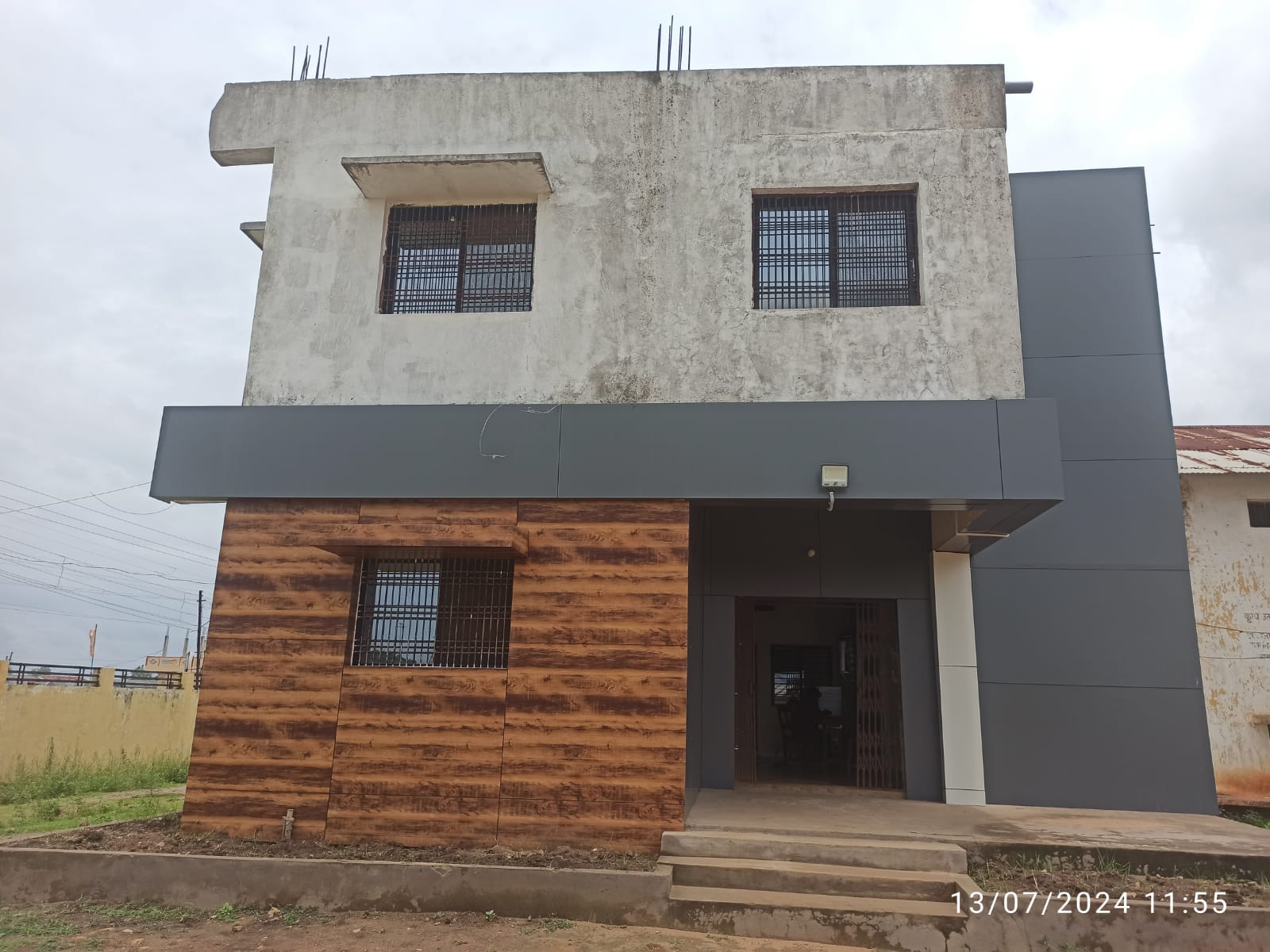
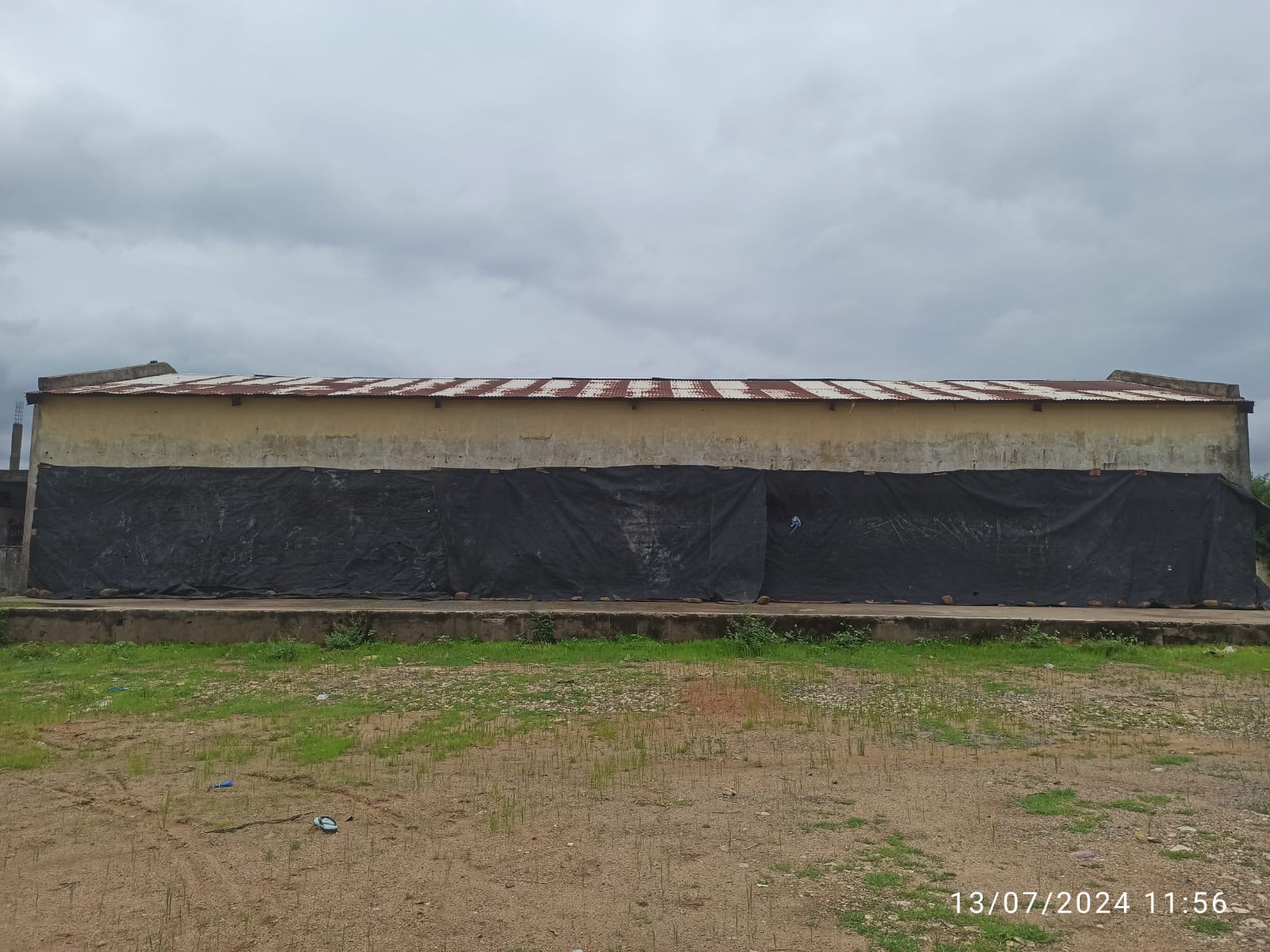
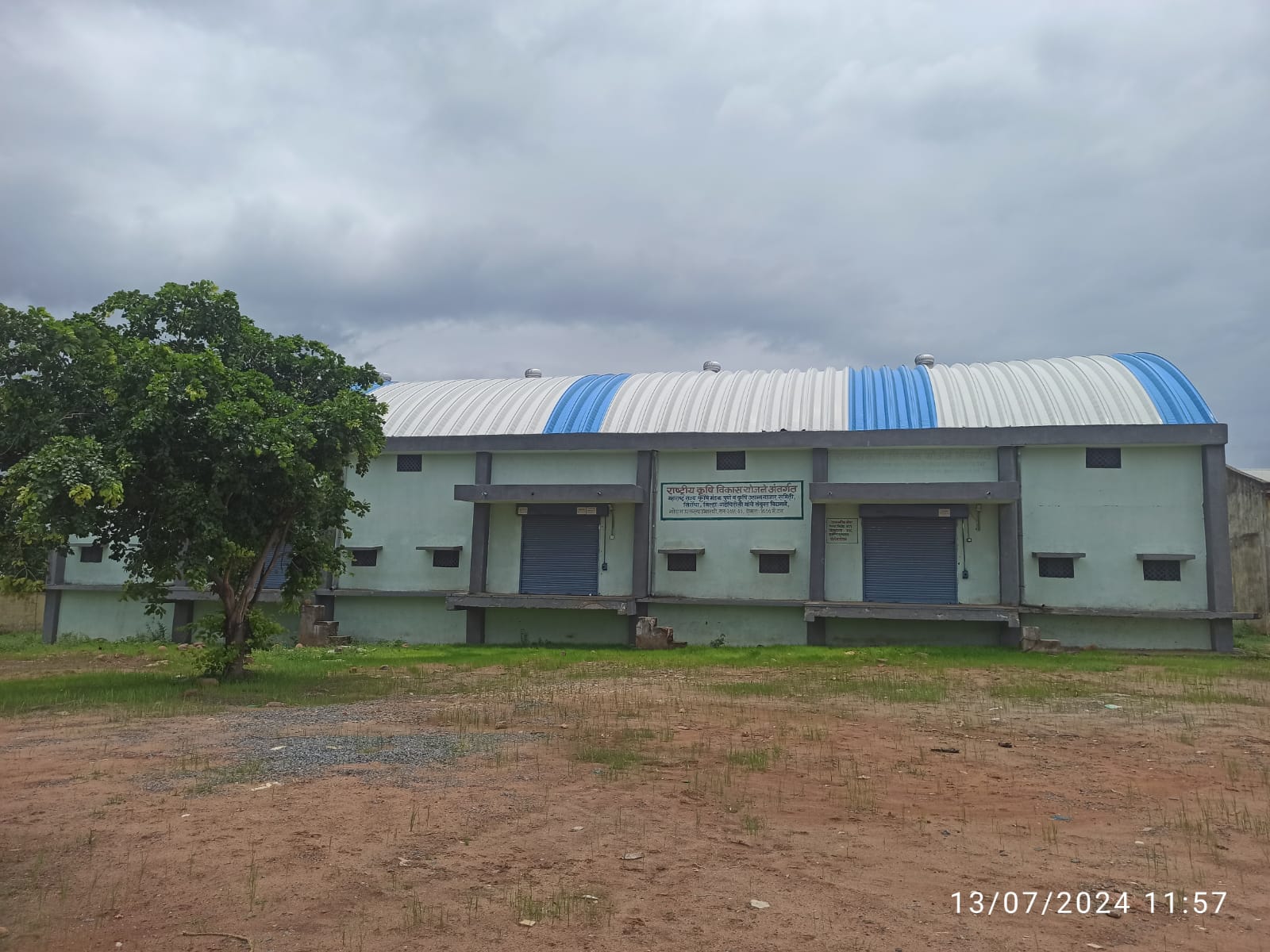
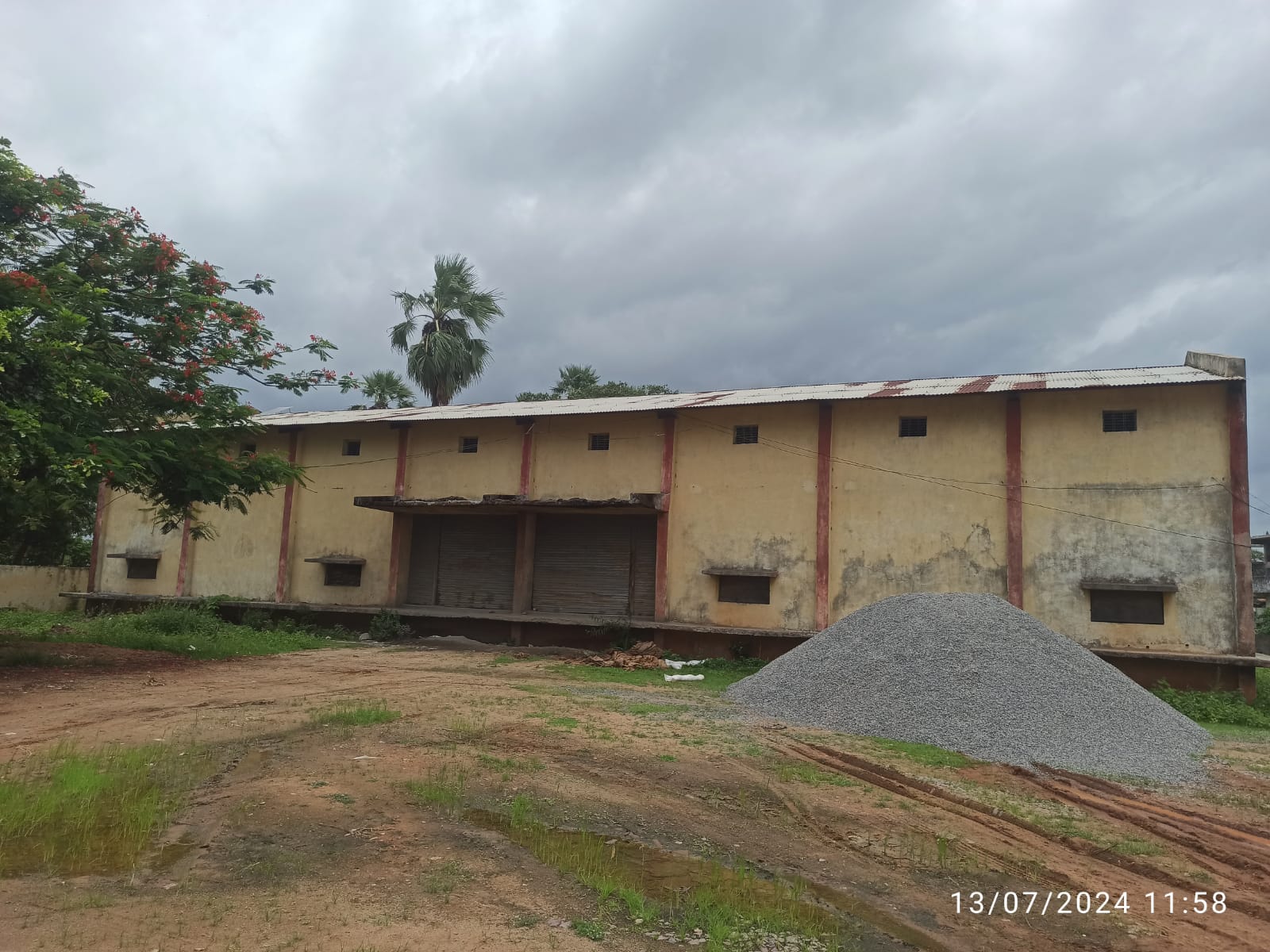
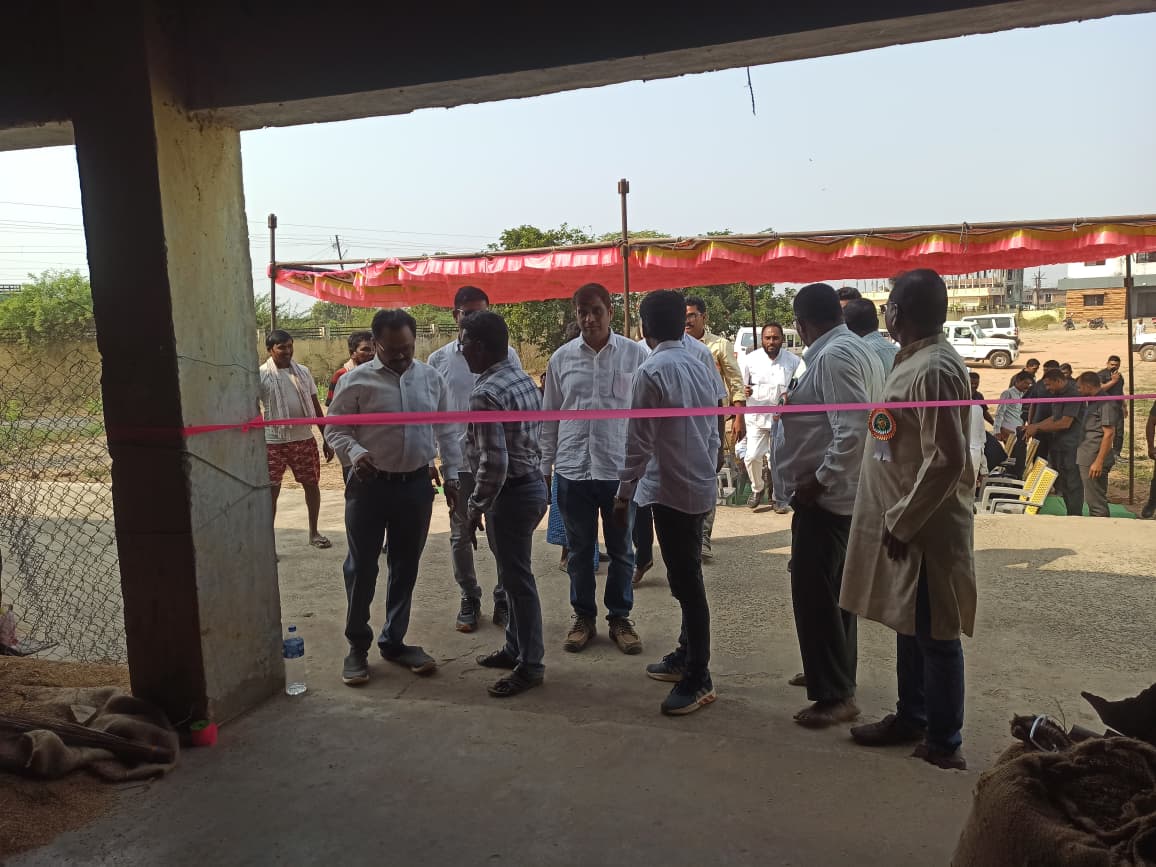
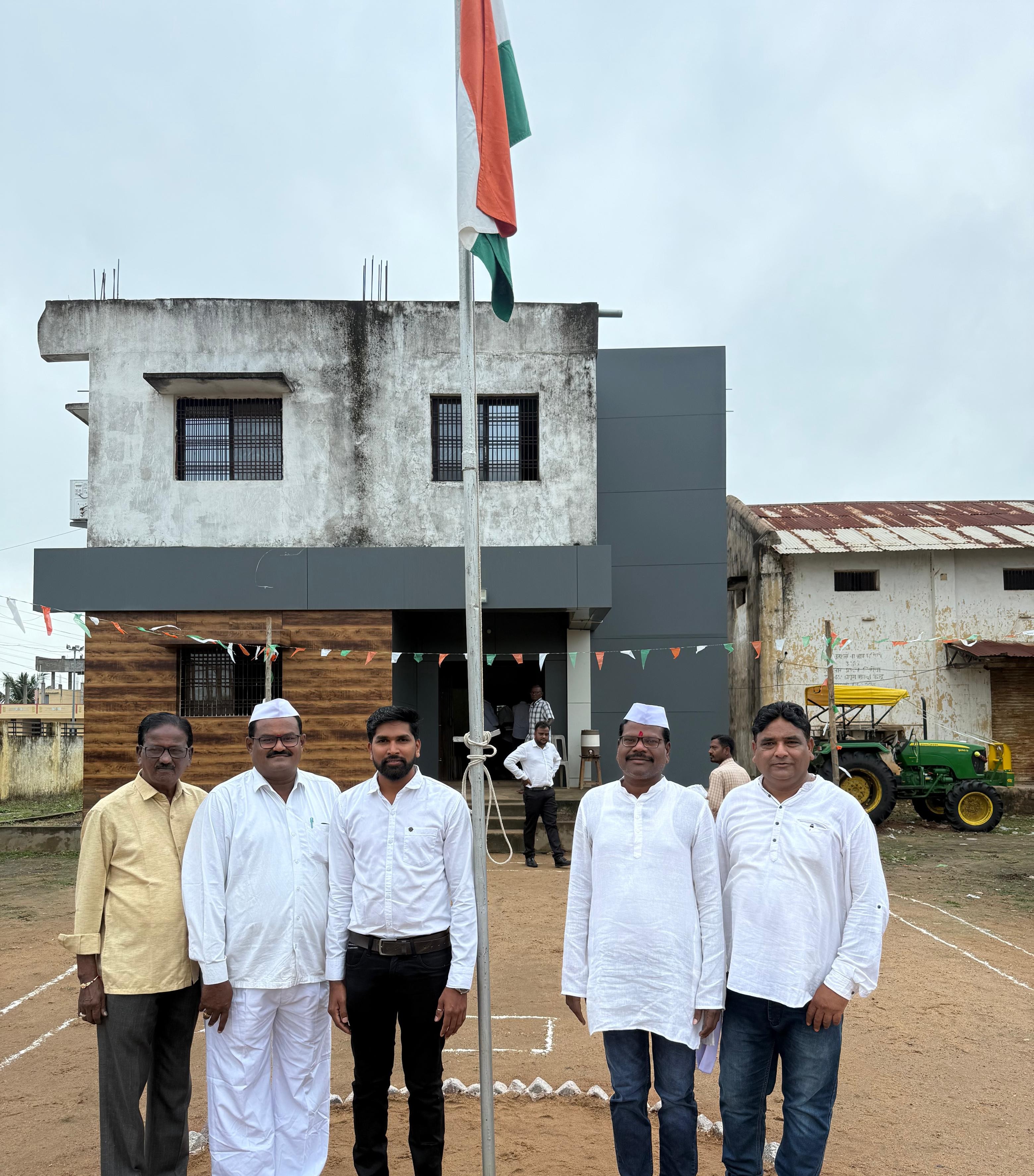
The main market premises of the committee are located at Asaralli Road, Kottagudam and the market area is 0.81 ha. In the main market premises, three godowns of 200,500,1000 MT have been constructed and drinking water, taps and borings have been constructed. Also, the auction shed has open toilets for men and women, with separate protective walls on both sides and the boundaries have been closed. Also, the market committee has provided electronic weighing scales to ensure that the weight is on the scales, and 80 metric ton weighing scales will be installed in the market committee premises. To ensure the smooth functioning of the market committee, a computer has been purchased to enter the daily market price and work is underway on it.
The committee will start a loan scheme for farmers and it is planned to start a scheme to provide food to farmers at cheap prices in the main market premises soon. It is also planned to control the wastage of agricultural products by simulating them in the coming year.
Controlled agricultural products
In the scope of the committee, the following agricultural products have been brought under control by this market committee. Wheat, yam, sesame, soybean, cotton, chilli, barbati, kuldha, jowar, paddy, rice, sunflower, mung, cow, cowpea, tur, mot, maize, cattle, sheep, etc. have been announced as controlled agricultural products.
Since 25 percent of the working area of this market committee is covered by forests, the agricultural land is only 75 percent, and even in this area, since there is irrigation facility in this area, farmers in this area grow cash crops. There is a large influx of rice and cotton in this area. Since the committee does not have traders, it is purchased through the village system. The market committee has complete control over it.